Summarize this blog post with:
Quick Summary
This blog reviews the 10 best omnichannel platforms for 2027, comparing pricing, automation depth, and real-time customer engagement. Each platform serves a different job, some for marketing campaigns, some for live customer conversations, and a few for both.
Your customers don't think in channels. Your tools shouldn't either.
A customer texts your support line on Monday. They message your WhatsApp business number on Wednesday. They call on Friday, frustrated, because nobody on your team remembers the first two conversations.
That gap isn't a training problem. It's a tooling problem.
Most businesses still run channels like separate departments. Email lives in one tool. SMS lives in another. WhatsApp sits in a browser tab nobody checks. Every switch between them costs you context, and every lost bit of context costs you a customer who feels like a stranger on their third interaction.
An omnichannel platform fixes that by design. It's not about adding more channels. It's about connecting the ones you already use, so a conversation that starts on SMS can continue on WhatsApp without the customer repeating themselves.
Let's begin now!
Omnichannel platform vs. multichannel platform: What's the actual difference?
People use these terms interchangeably. They shouldn't.
1. Customer Experience Consistency
Omnichannel Messaging Platform delivers a unified, continuous customer experience across all touchpoints, maintaining context and history. Multichannel platforms operate channels independently, often causing fragmented interactions and inconsistent messaging for customers switching between channels.
2. Data Integration and Visibility
Omnichannel platforms centralize customer data in a single system, enabling real-time visibility and more innovative personalization. Multichannel platforms store data separately per channel, limiting insights, reducing context, and making it harder to understand the complete customer journey.
3. Cross-Channel Journey Management
Omnichannel platforms allow customers to start, pause, and continue conversations seamlessly across channels. Multichannel platforms support multiple channels but lack synchronization, forcing customers to repeat information and restart conversations when switching platforms.
4. Automation and Personalization Capabilities
Omnichannel platforms enable behavior-driven automation and personalized messaging across channels. Multichannel platforms typically rely on channel-specific automation, resulting in generic communication that doesn’t adapt to customer behavior across the entire journey.
What Makes Omnichannel Platforms a Must-Have for 2026?
Businesses must adapt to remain competitive. Adding an omnichannel platform to your business is no longer optional but essential.
The following are the reasons:-
1) Rising Customer Expectations
Customers now demand personalized experiences across all touchpoints. They expect to interact with brands effortlessly, whether online, in-store, or via mobile apps. Failing to meet these expectations can lead to customer dissatisfaction and loss.
2) Tech Evolution Impact
Advancements in technology, particularly in artificial intelligence (AI) and automation, have revolutionized customer engagement. AI enables businesses to analyze vast amounts of data, predict customer behaviour, and provide tailored experiences, enhancing overall satisfaction.
3) Boost Customer Retention
An effective omnichannel platform provides consistent and engaging interactions, fostering customer loyalty. By providing a unified experience, businesses can increase retention rates and build long-term relationships with their clientele. It also improve customer relation.
4) Save Time And Money
Combining various channels into a single omnichannel platform streamlines operations, reducing sameness and operational costs. Automating routine tasks frees up resources, allowing businesses to focus on strategic initiatives.
Comparison table: 10 best omnichannel platforms for 2027
Choosing the right omnichannel platforms is necessary for providing exceptional customer experiences.
Here are the top 10 platforms to consider: -
Platform 1: HelloSend
Overview
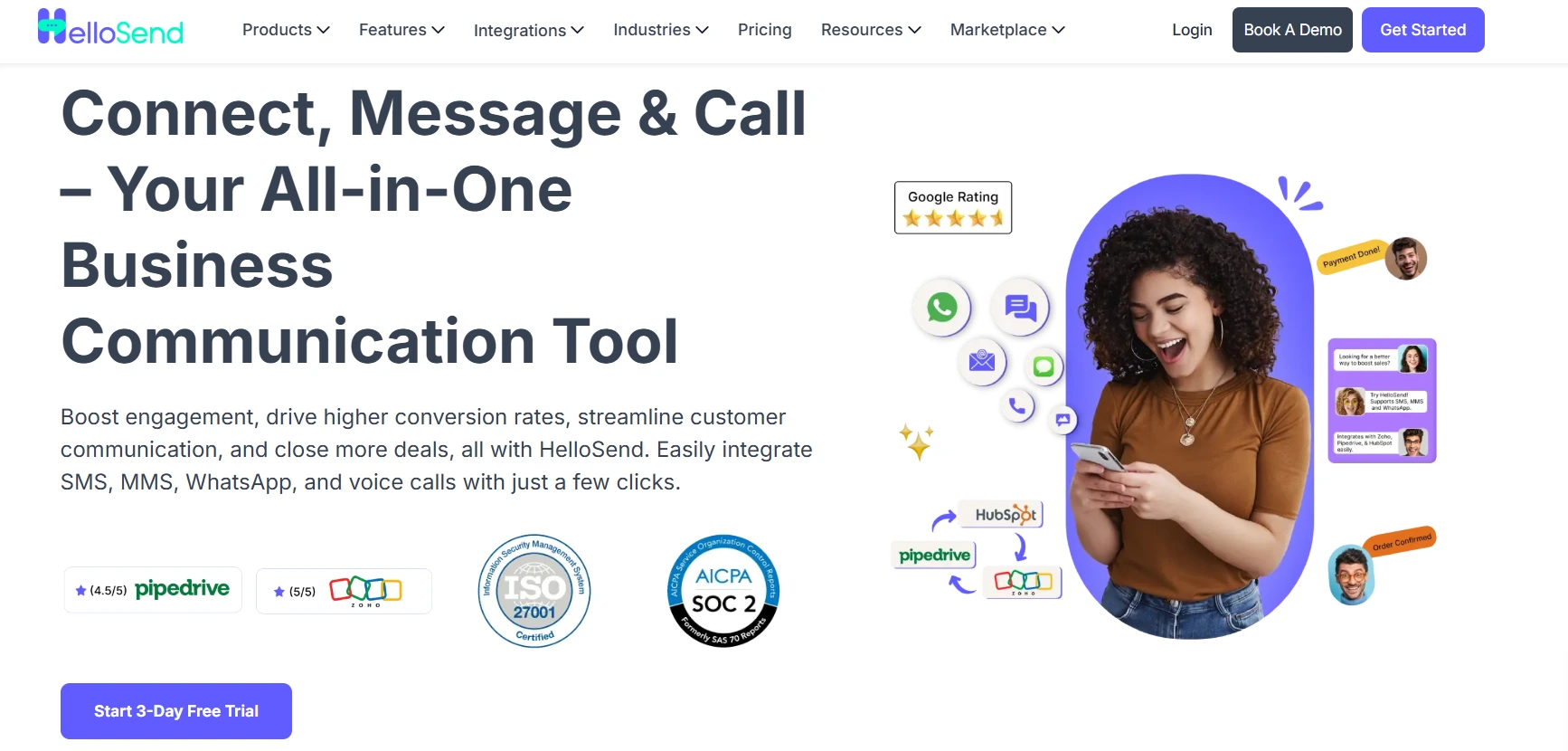
HelloSend is a unified omnichannel messaging platform designed for modern brands that want to connect with customers through SMS, WhatsApp, and voice, all without tool juggling.
It integrates directly into your CRM or helpdesk, so your team can launch campaigns, automate follow‑ups, and manage conversations without switching apps.
This tool helps businesses streamline multi‑channel communication while improving response times and conversion performance.
Top 5 Features of HelloSend
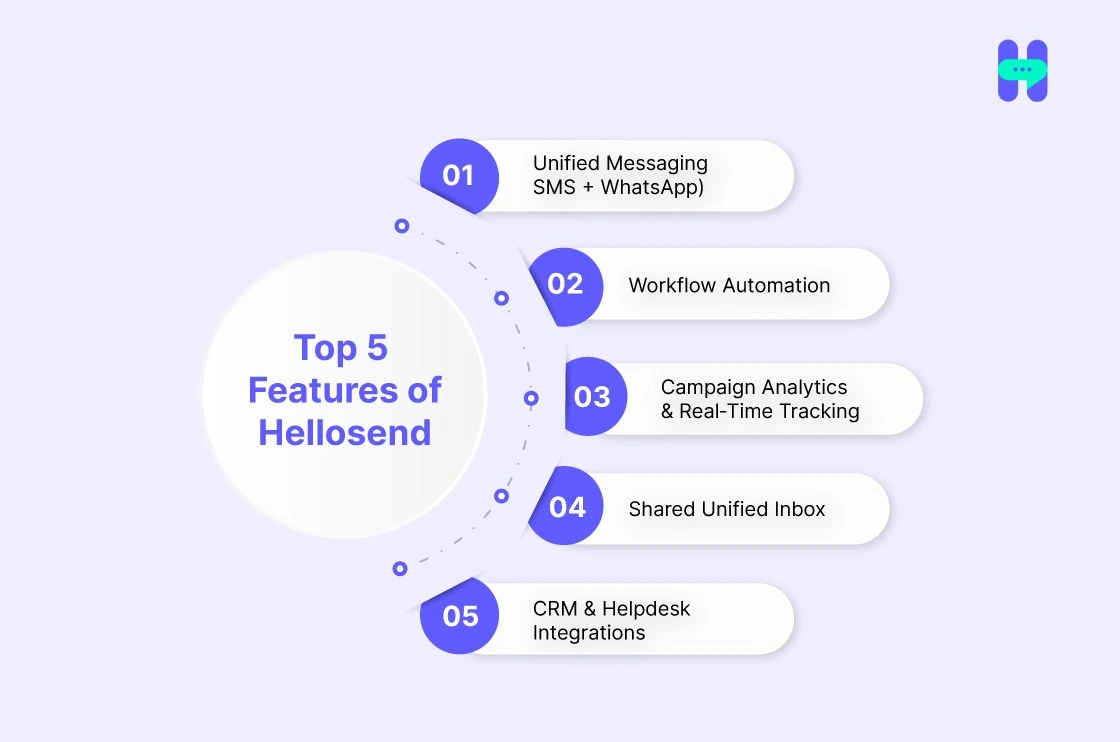
- Unified Messaging (SMS + WhatsApp): Send and receive SMS and WhatsApp messages from one dashboard, keeping all customer conversations in one place and eliminating tool fragmentation.
- Workflow Automation: Automate campaigns like welcome sequences, abandoned cart follow‑ups, onboarding flows, and more, all triggered by customer behavior or CRM updates.
- Campaign Analytics & Real‑Time Tracking: Monitor delivery status, engagement, and performance metrics to optimize campaigns and improve conversion rates quickly.
- Shared Unified Inbox: Manage multi‑channel conversations (SMS, WhatsApp, voice) in a central inbox that’s accessible to your sales, support, and marketing teams.
- CRM & Helpdesk Integrations: Seamlessly integrates with HubSpot, Zoho CRM, Pipedrive, Zendesk, and other tools, enabling messaging natively from where your team already works.
HelloSend Can Help You Simplify The Following Things
- Your SMS Marketing works
- WhatsApp Marketing
- Voice Call
Key Strengths
- Actual Omnichannel Experience
- No‑Code Automation
- Real‑Time ROI Insights
- Personalization at Scale
- Flexible Setup
Ideal Use Cases
- Ecommerce & DTC Brands: Automate order updates, cart recovery, delivery notifications, and personalized promo messages to increase revenue and customer satisfaction.
- Sales & Support Teams: Manage inbound and outbound conversations across SMS and WhatsApp from a central inbox, improving response time and customer experience.
- CRM‑Centric Teams: Teams using HubSpot, Zoho CRM, Pipedrive, or Zendesk get messaging directly inside their workflows, consolidating communication histories and boosting efficiency.To learn more, check the following: HelloSend Integrations.
- High‑Volume Outreach: Run bulk messaging campaigns with automated follow‑ups without losing personalization, ideal for promotions, events, or lifecycle marketing.
- Small to Mid‑Size Teams: Companies without ample dev resources can launch and automate multi‑channel messaging quickly thanks to HelloSend’s intuitive interface.
Pricing: The Standard plan starts at $75/month for 3 users, or $60/month billed annually. Smaller teams can start on the 1-user ($45/month) or 2-user ($60/month) plan. Additional seats beyond 3 run $25/user/month.
Every Standard plan includes 10,000 messages a month, a centralized inbox for SMS, WhatsApp, and WABA, unlimited templates, CRM-triggered automations, and unlimited inbound calls. Outbound calling is capped at 300 minutes per user per month. A one-time $50 fee covers 10DLC registration, and carrier costs from Twilio, RingCentral, or Meta pass through at cost with no markup.
Message credits scale with team size, not per-user caps, so any user can draw from the shared pool.
Check out - HelloSend Pricing plans.
Platform 2: Salesforce Marketing Cloud
Overview
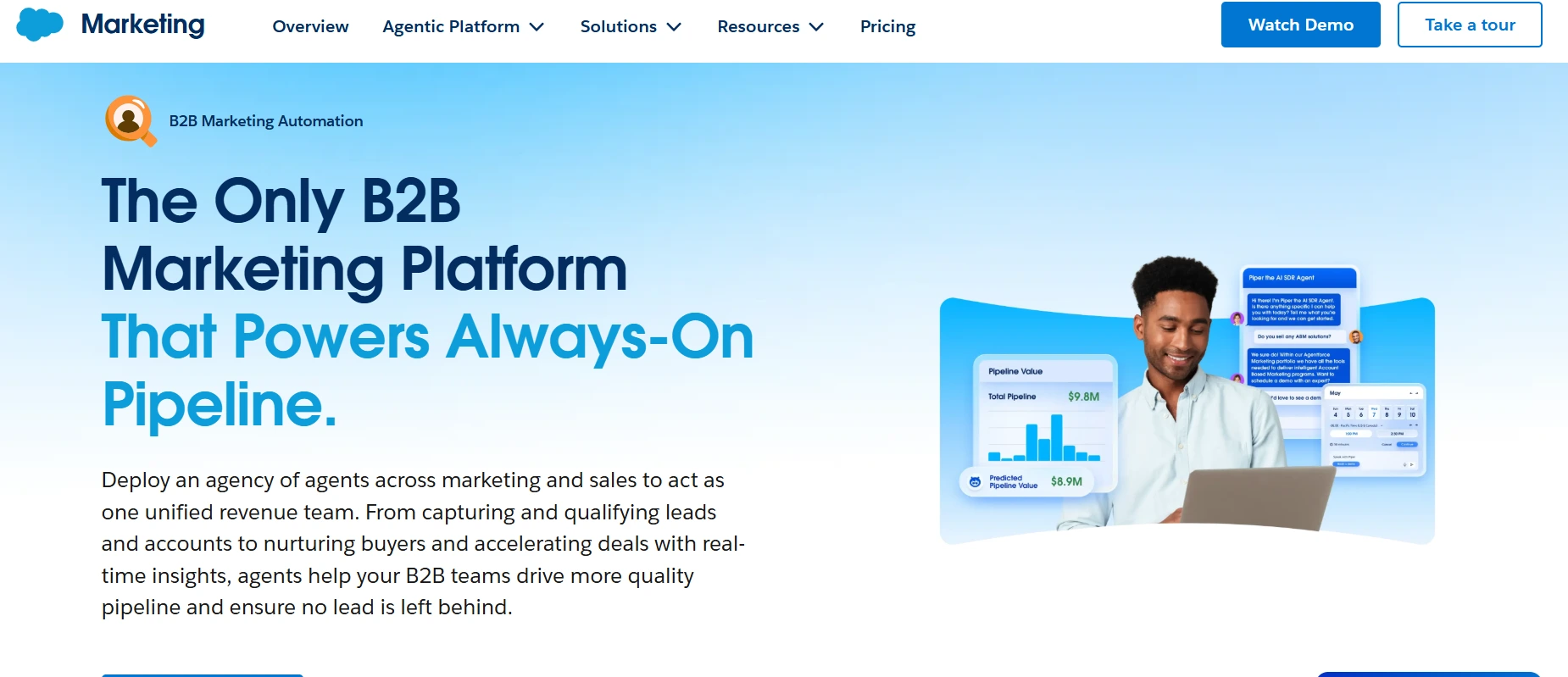
Salesforce Marketing Cloud is a comprehensive omnichannel marketing platform that empowers businesses to deliver personalized customer journeys across various channels. It offers tools for email, social media, mobile, and web marketing, all integrated into a single platform.
Pricing
Salesforce offers customized pricing based on business needs and scale. It's advisable to contact their sales team for detailed information.
Platform 3: Klaviyo
Overview
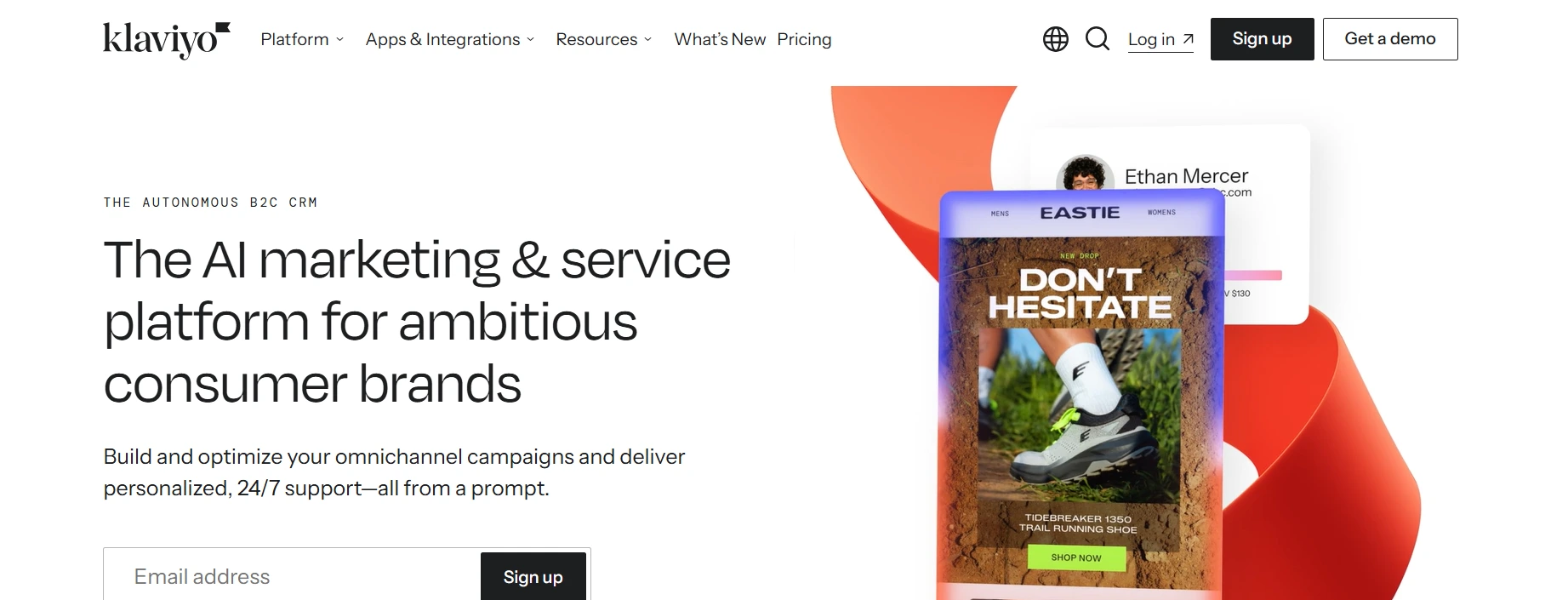
Klaviyo is a powerful omnichannel communication platform designed for e-commerce businesses. It enables brands to create personalized marketing campaigns through email and SMS, leveraging data-driven insights.
Pricing
Klaviyo offers a tiered pricing model based on the number of contacts and messages sent. A free tier is available for businesses with up to 250 contacts.
Platform 4: Zendesk
Overview
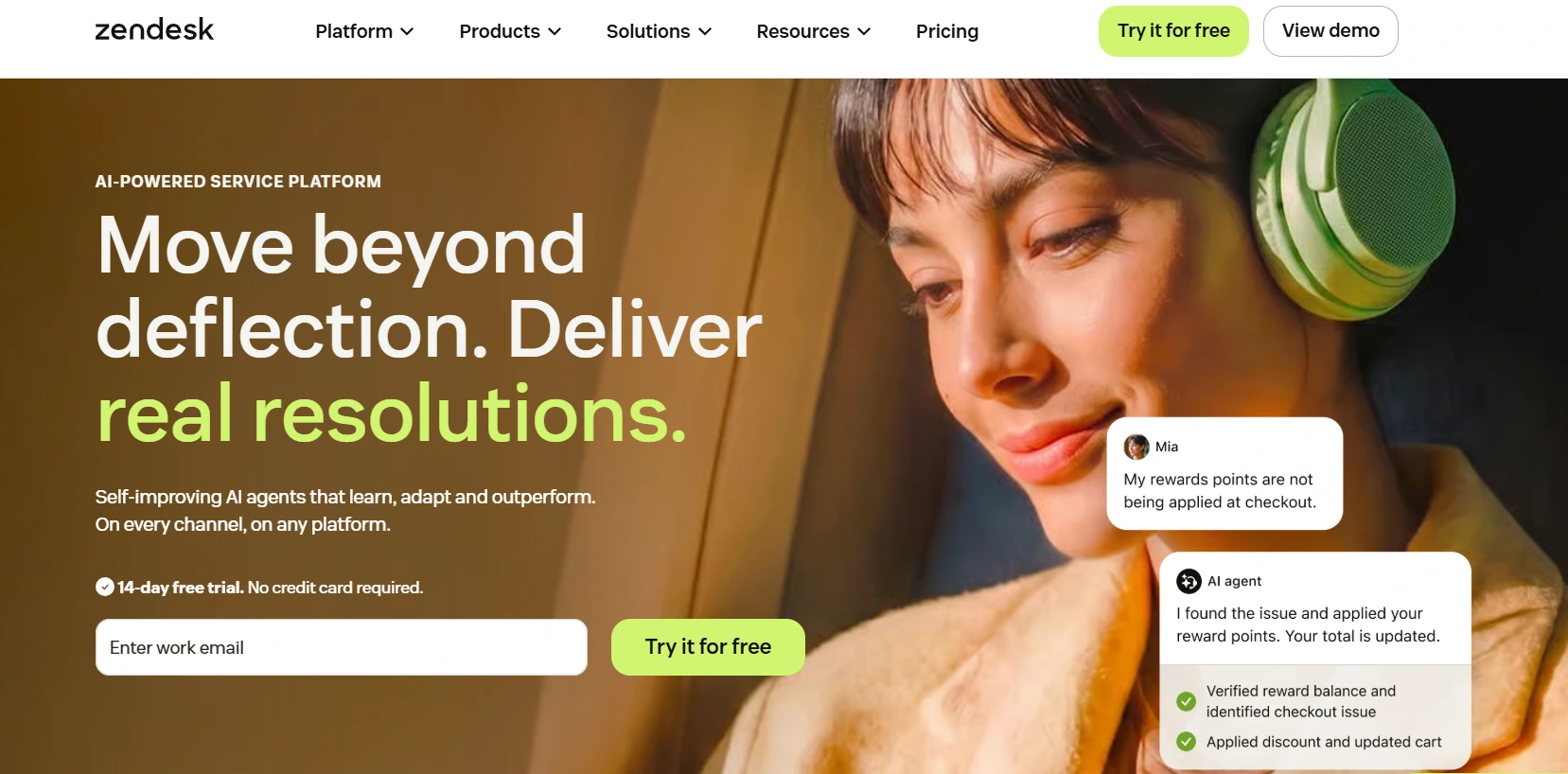
Zendesk is a renowned omnichannel customer experience platform that provides tools for customer support, sales, and engagement. It integrates various communication channels into a unified interface, including email, chat, and social media.
Pricing
Zendesk offers multiple pricing plans, starting from $49 per agent/month. Detailed pricing information is available on their website.
Platform 5: Omnisend
.webp)
Overview:
Omnisend is an omnichannel messaging platform tailored for e-commerce businesses. It combines email, SMS, and social media marketing to create cohesive and automated customer communication strategies.
Pricing
Omnisend provides a free plan with basic features, while premium plans start at $16 per month, scaling with the number of contacts and features required.
Platform 6: ActiveCampaign
Overview
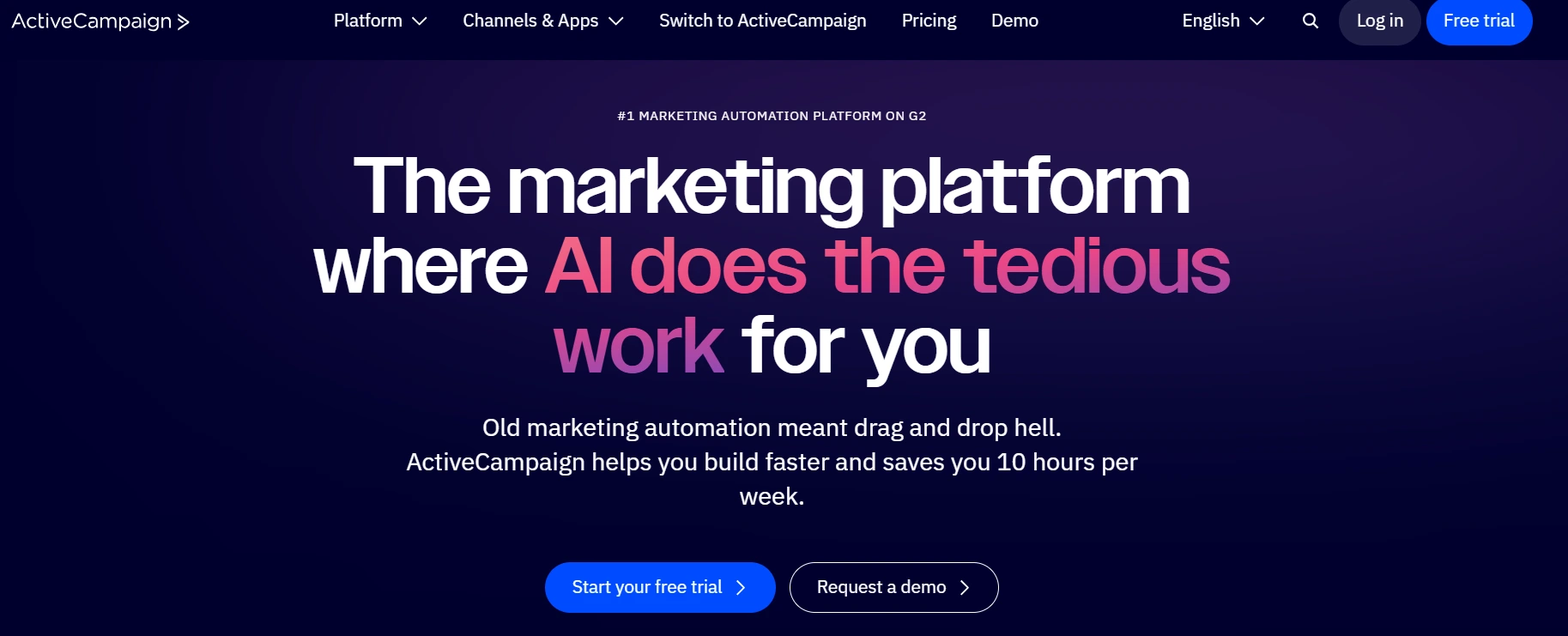
ActiveCampaign is a versatile omnichannel platform that offers email marketing, automation, and CRM tools. It enables businesses to create personalized customer experiences across various channels.
Pricing
ActiveCampaign's pricing begins at $9 per month for the Lite plan
Platform7: Infobip
Overview
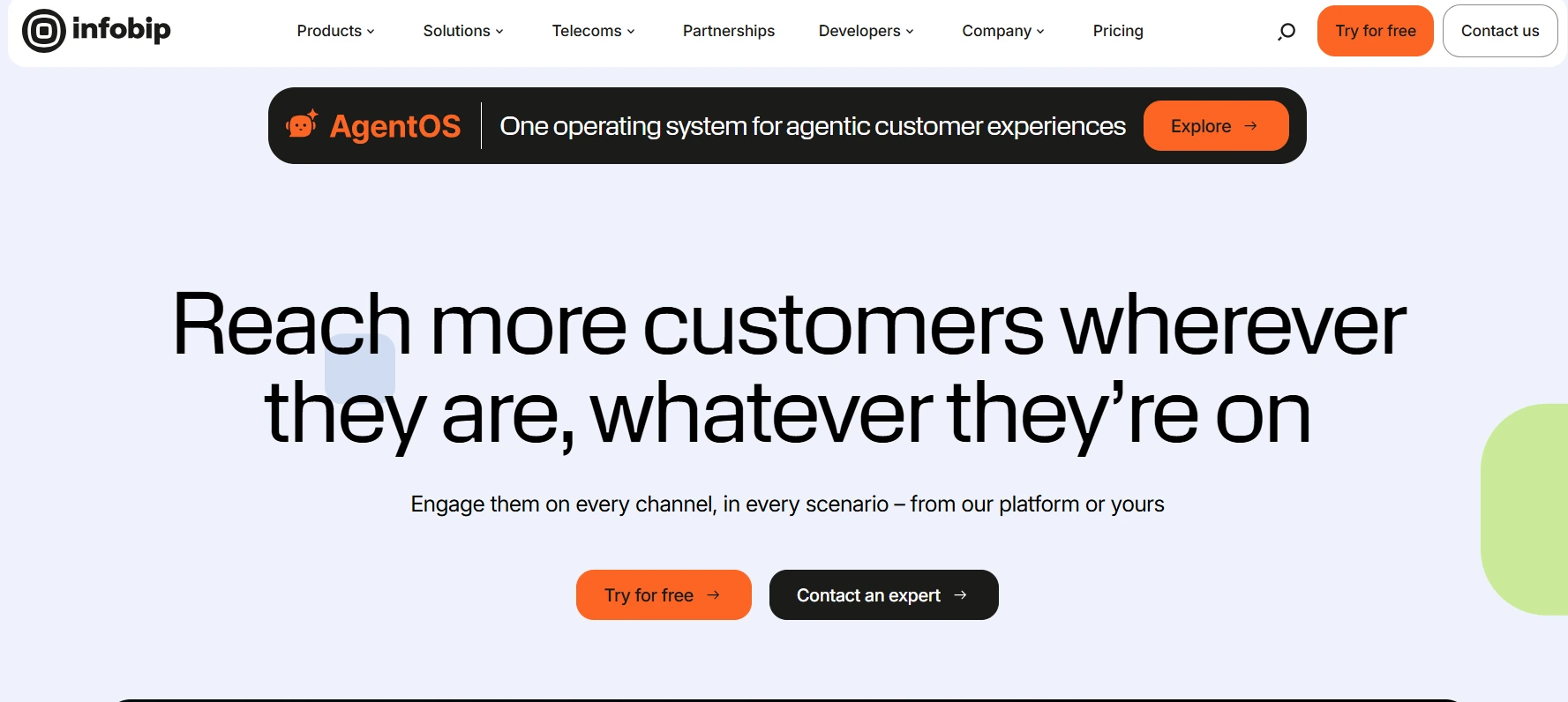
Infobip runs one of the largest global messaging infrastructures in the world, covering SMS, WhatsApp, RCS, voice, and email through direct carrier connections. It's built for enterprises sending high volumes across many countries at once.
Pricing
Infobip doesn't publish fixed tiers. Costs combine a platform license fee, a per-message processing charge, and carrier pass-through costs that vary by country, so pricing is quoted directly based on volume and channel mix.
Platform 8: Sprinklr
Overview
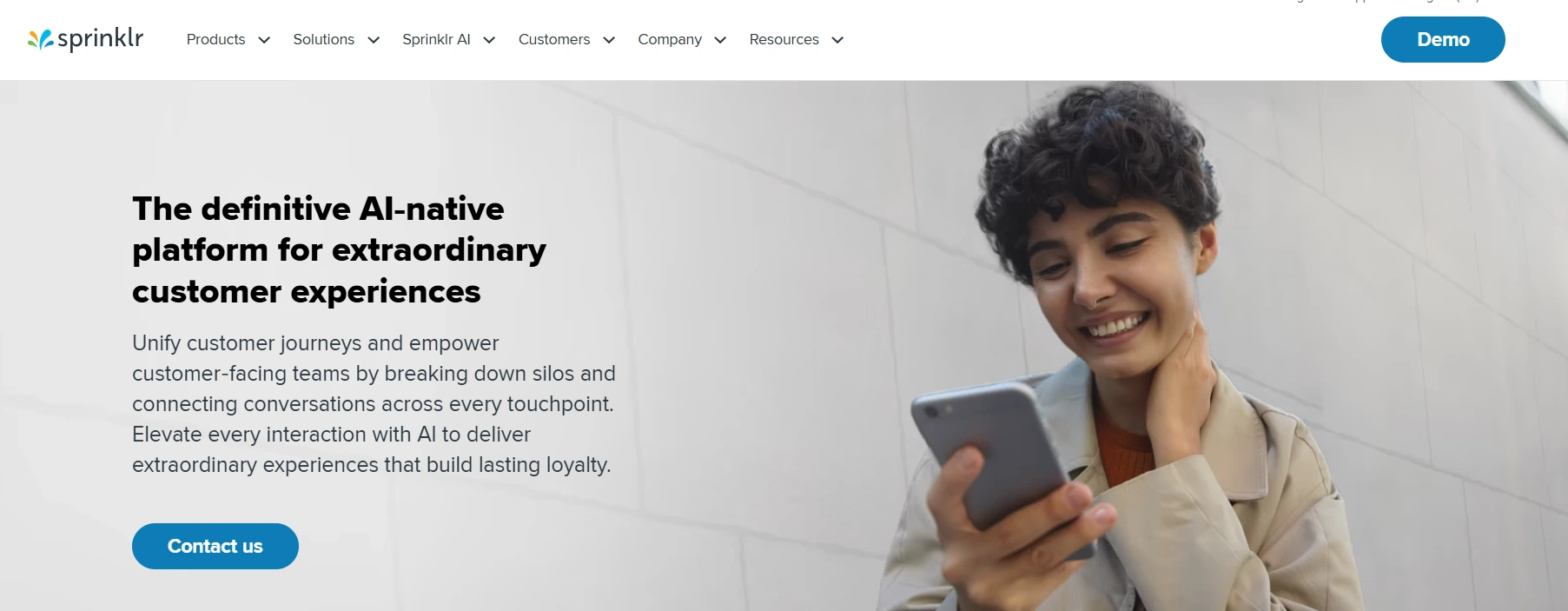
Sprinklr is a powerful omnichannel ecommerce management platform that connects marketing, advertising, customer care, and research into a single AI-driven platform. It is ideal for large enterprises managing high volumes of interactions across social, digital, and messaging channels.
Pricing
Sprinklr offers custom pricing based on business size and solution scope. You’ll need to contact their sales team to get a tailored quote.
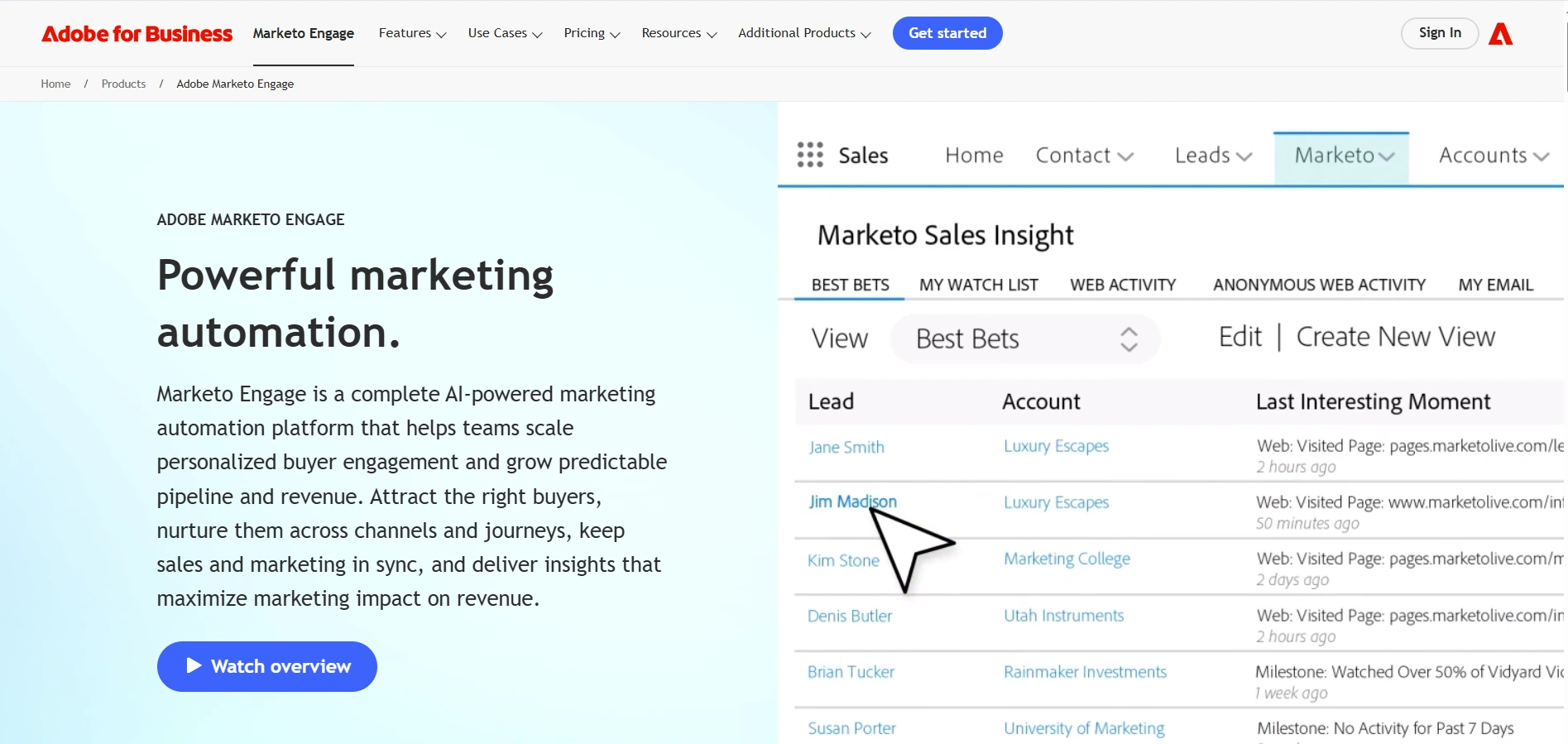
Platform 9: Marketo
Overview
Marketo, by Adobe, is a data-driven omnichannel e-commerce platform focused on B2B and B2C marketing automation. It offers tools for lead management, email marketing, consumer targeting, and analytics.
Pricing
Pricing is not publicly listed. Adobe provides custom pricing based on user requirements, business goals, and enterprise size.
Platform 10: RingCentral
Overview
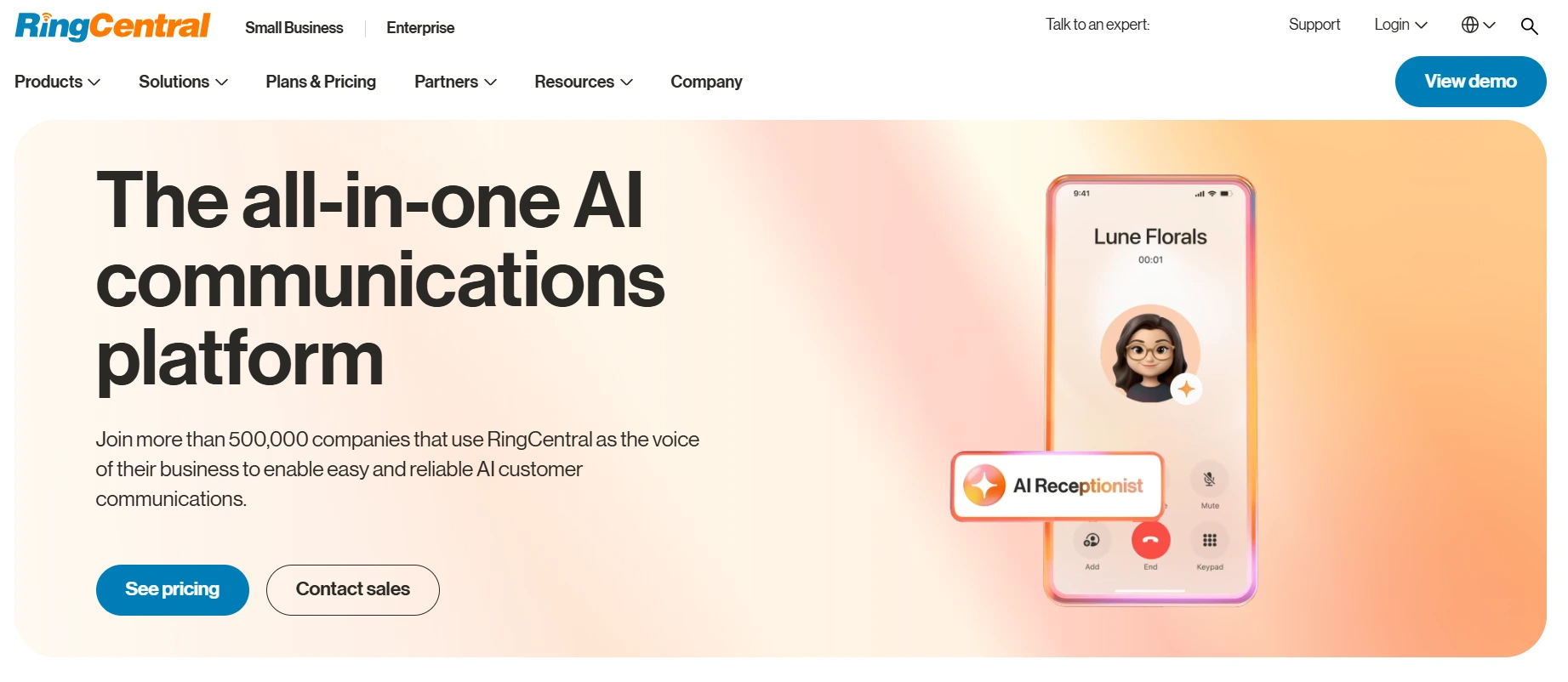
RingCentral Engage Digital is a comprehensive omnichannel customer engagement platform that allows businesses to connect with their customers across multiple digital channels, including SMS, email, chat, social media, and messaging apps.
Pricing
RingCentral Engage Digital offers custom pricing based on the size of the business and the specific features required. It’s recommended to contact their sales team to receive a tailored quote and explore pricing options tailored to your company’s needs and scale.
Final Words
The need for consistent, connected, and customer-first experiences continues to rise. In 2027, the right omnichannel platform will keep you in the game and help you lead it.
Whether you’re a fast-scaling e-commerce business, a digital marketing agency, or an enterprise-level brand, these platforms combine multiple channels, customer data, and intelligent automation into one powerful tool.
Every platform on this list offers something unique for your marketing strategy, from budget-friendly tools like HelloSend. Evaluate your needs, set a budget, think long-term, and make a decision that will scale with you.
FAQs
1. What is omnichannel messaging, and why is it essential for businesses?
Omnichannel messaging enables businesses to communicate with customers seamlessly across multiple channels while maintaining context. It improves the customer experience, response time, and engagement by unifying conversations into a single flow.
2. What features should an omnichannel marketing platform include?
Native CRM or data integration, cross-channel automation, real-time analytics, and pricing that stays predictable as your contact list grows. A shared inbox that keeps every channel's history in one thread is what separates a true omnichannel platform from a bundle of separate tools.
3. What are the best omnichannel marketing platforms?
The best omnichannel platform depends on your team size, your CRM, and whether you need marketing automation or direct customer conversations. HelloSend fits e-commerce and DTC brands that want SMS, WhatsApp, and voice in one CRM-native inbox, useful for order updates, cart recovery, and support conversations alongside campaigns.
4. Can omnichannel platforms help improve customer retention?
Yes, consistent and personalized communication across channels builds trust and improves loyalty.
5. Are omnichannel platforms expensive for small businesses?
Not always, but many tools like HelloSend offer affordable plans ideal for small teams and startups.
6. How do I compare the best omnichannel advertising platforms?
Compare them on 3 criteria: how well they connect ad data to customer profiles, which channels they support, and how transparent the pricing is at your contact volume. Salesforce Marketing Cloud and Sprinklr lead on ad integration depth, though both require a custom quote.